

Background
Most operators do a great job for their passengers but there’s always room to improve. Our Good Practice Guide sets out what passengers should expect from their local operator.
Planning a journey
It should be easy and free for anyone to communicate with a bus operator. Full contact information should be available at stops, on board the bus, on apps and online.
Accurate and easy-to-follow timetables should be available and accessible at bus stops, stations, in public buildings, online and via apps.
Proper notice should be given of any planned changes to services or routes with notices on buses and at stops, in the local press, on radio, on social media and via apps. Drivers should also communicate changes directly to passengers, particularly regular users.
Bus travel should be accessible to everyone so people needing assistance should be able to turn up and travel without having to book assistance in advance.
Stops and stations
Bus stops are an important part of every journey and should be easily accessible, clean, safe and ideally sheltered and with seating.
Timetables should be clearly displayed so they can be seen by wheelchair users and where possible there should be real-time audio-visual announcements.
Ticketing
Ticket pricing should be simple to understand and fair. Special offers and discounts should be available to everyone, regardless of whether they have access to the Internet or a bank account and no-one with a disability or additional needs should be charged extra to travel.
Tickets themselves should be easy to purchase and available in advance of a journey and at the point of travel with cash payments an option alongside contactless and other methods.
Wherever possible tickets should be multi-operator and integrated with other modes to make travelling as convenient as possible.
Refund policies should be clearly communicated and it should be quick and easy to claim a refund through the original payment method rather than in the form of a travel voucher or credit note.
Vehicles
Buses should automatically pull into stops where someone is waiting, regardless of whether they have signalled and ramps should be deployed on request. No passenger should be refused travel on the grounds of nationality, race, gender, sexual orientation or disability unless transporting them would violate safety legislation.
Vehicles should be wheelchair and buggy accessible with room on board to manoeuvre and plenty of space to accommodate both. Drivers should be well briefed and feel able to take action if there is any confusion or dispute over the use of these spaces.
Buses should be clean, comfortable, heated in the cold weather and properly ventilated, with windows free from bus wrap ads. On-board audio-visual announcements are essential, particularly for passengers with a sensory impairment and thought should be given to the lighting and design of vehicles to improve access for people with a visual or cognitive impairment.
Drivers
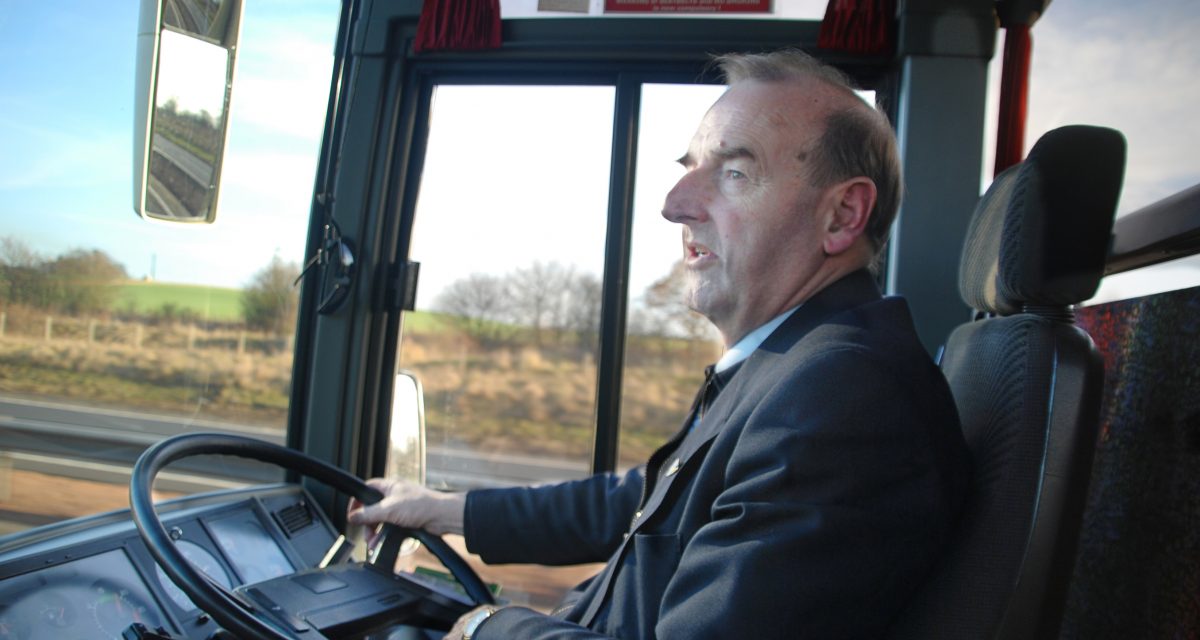
Buses should be professionally driven with vehicles pulling up close to the kerb and passengers given enough time to get to a seat before pulling away. Drivers must be trained to recognise and respond to passengers with additional needs and card and lanyard schemes should be in place so passengers can indicate the support they need.
Safety on-board
No passenger in distress or at risk of harm should be refused access to a bus or forced to disembark away from their required stop unless they represent a danger to the driver or to other passengers.
Bus travel should be safe for everyone and operators should employ a zero-tolerance policy towards anti-social or intimidating behaviour.
On-time
Operators should make every effort to ensure services are punctual and reliable and passengers should be notified of delays wherever possible. If a service consistently fails to meet its published timetable the operator should consider revising its licencing agreement so passengers can plan their journeys accordingly.
Complaints
Information about how to complain should be readily available to all passengers electronically and in hard copy. The complaints process should be easy and free, with assistance offered to anyone with a sensory or cognitive impairment.
All complaints should be taken seriously with passengers told when they can expect a response and kept informed of progress.
All passengers should be offered details of an Alternative Dispute Resolution body in case they are unhappy with the response from the operator. As an ADR Approved Body for bus and coach passengers, Bus Users is happy to provide advice and support.
Engagement
Customer panels, consultations, open days, drop-in events, and outreach with local charities, schools, universities, employers and community groups are all useful vehicles for local engagement and a great way to promote bus services and the benefits of bus travel.
Consultations are particularly useful when planning changes to services or routes and can ensure passengers are aware and on board with proposals.
These activities also provide valuable customer insight that should be used to inform the design and planning of services, vehicles and infrastructure. Not only will this ensure services meet the needs of the community, it can also identify and remove barriers to travel and help avoid costly re-designs and changes to licencing agreements in the future.
In brief
- Make sure information and service updates are available to everyone, in the format they need
- Train staff, particularly drivers to identify and respond to passengers with additional needs
- Keep fares and ticketing simple
- Ensure vehicles, stops and infrastructure are clean, safe and accessible
- Make it easy and free for people to communicate, complain and offer feedback
- Work collaboratively with the local community and other transport providers
- Identify and remove barriers to travel.
Improving the journey for just one person improves it for everyone which is good for passengers and good for business.
About Bus Users UK
Bus Users campaigns for inclusive, accessible transport. We are the only approved Alternative Dispute Resolution Body for the bus and coach industry and the designated body for handling complaints under the Passenger Rights in Bus and Coach Legislation. We are also part of a Sustainable Transport Group of organisations working to promote the benefits of public, shared and active travel.
Alongside our complaints work we investigate and monitor services and work with operators and transport providers to improve services for everyone. We run events, carry out research, respond to consultations, speak at government select committees and take part in industry events to make sure the voice of the passenger is heard.
Bus Users UK is a registered charity (1178677 and SC049144) and a Company Limited by Guarantee (04635458).